New York Is About to Spend $70 Million Proving Grocery Stores Are Harder Than They Look
Mayor Mamdani's municipal markets promise a 30 percent discount to every shopper regardless of income. The industry those stores will compete with runs on a margin of about one and a half percent.
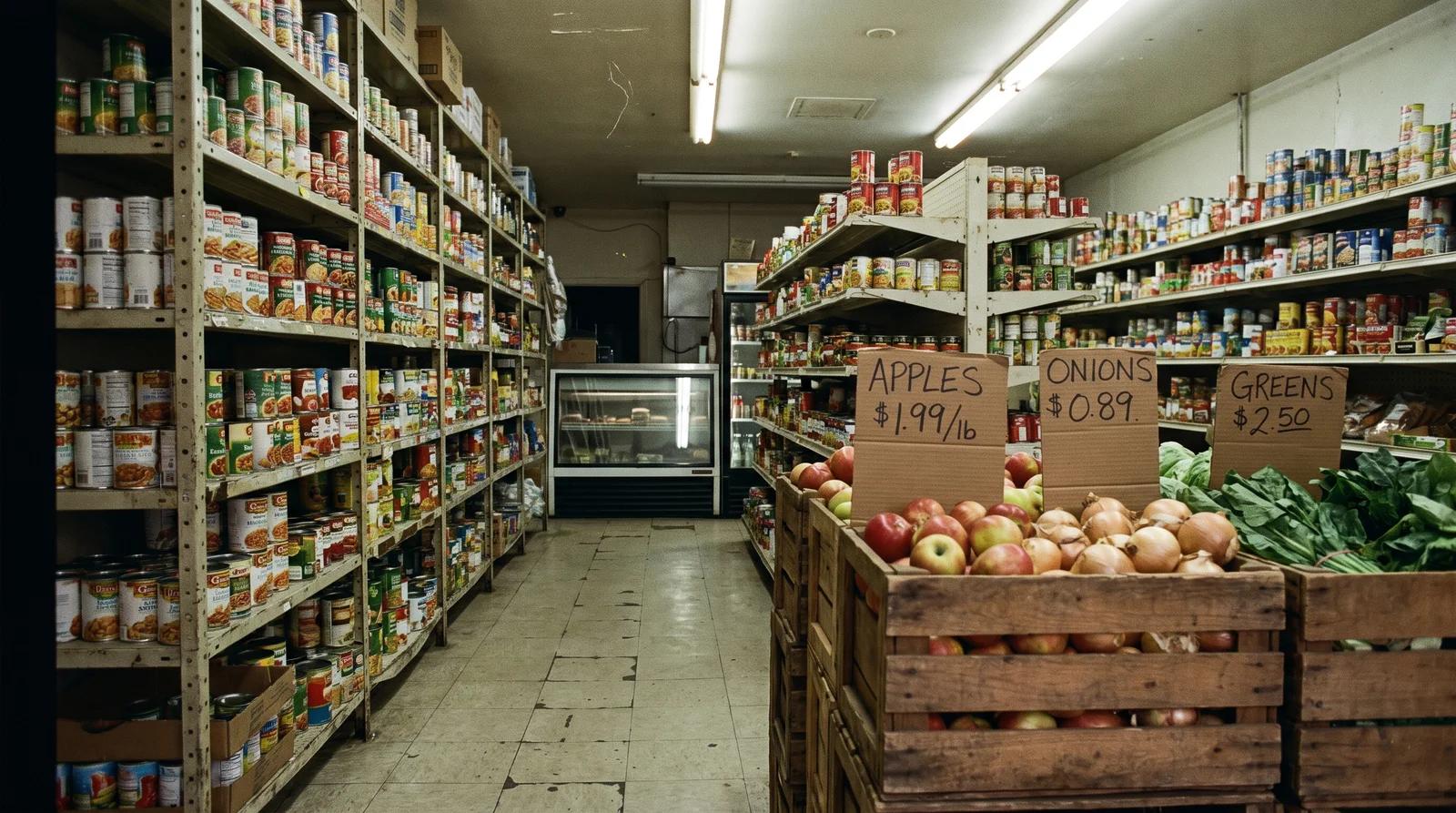
NEW YORK — The pitch is easy to say out loud, which is most of its political appeal: a 30 percent discount on fresh produce, meat, seafood and roughly twenty additional categories of pantry and dairy staples, available to every shopper regardless of income, at prices locked in place rather than moving week to week.
Mayor Zohran Mamdani has put $70 million in the capital budget behind it. Five city-owned stores by 2029, the first at Hunts Point in the Bronx by the end of 2027 — a neighborhood where, by the administration's own figure, 77 percent of households struggle to afford basic necessities. City Hall projects the program will cut the average New Yorker's grocery bill by 15 percent, about $90 a month, or roughly $1,000 a year.
The number nobody at the podium mentioned
American supermarkets operate on net margins of roughly 1 to 2 percent. That is the entire business: move enormous volume, lose almost nothing on each unit, survive on the difference.
A 30 percent discount is therefore not a discount in any sense a grocer would recognize. It is a subsidy of roughly twenty to twenty-eight points below the cost of doing business, paid by someone. The plan does not identify who, because there is only one candidate, and he pays property taxes.
The $70 million is capital — buildings, refrigeration, fit-out. It is not the recurring operating gap, which is the number that determines whether the fifth store ever opens. Cold chain, shrink, spoilage, security, union labor and the logistics of putting fresh meat in a Bronx storefront every morning do not appear in a capital line.
What happens to the block
The stores that already serve Hunts Point are bodegas and independent grocers running on that same 1 to 2 percent. They cannot match a competitor that does not need to clear cost, and they will not be compensated for losing to one.
A grocer-turned-lawmaker put the timeline bluntly this week, predicting the municipal stores "might not even last a year." The more likely failure is slower and worse: the city store survives on appropriations, the private stores nearby do not survive at all, and the neighborhood ends up with fewer places to buy food and no competitive check on the one that remains.
Even Democratic officials outside the city have kept their distance. One sitting Democratic governor responded to the plan by volunteering, unprompted, that he favors free enterprise — which is what it sounds like when a member of your own party would rather be quoted on the record than not.
The part that is actually true
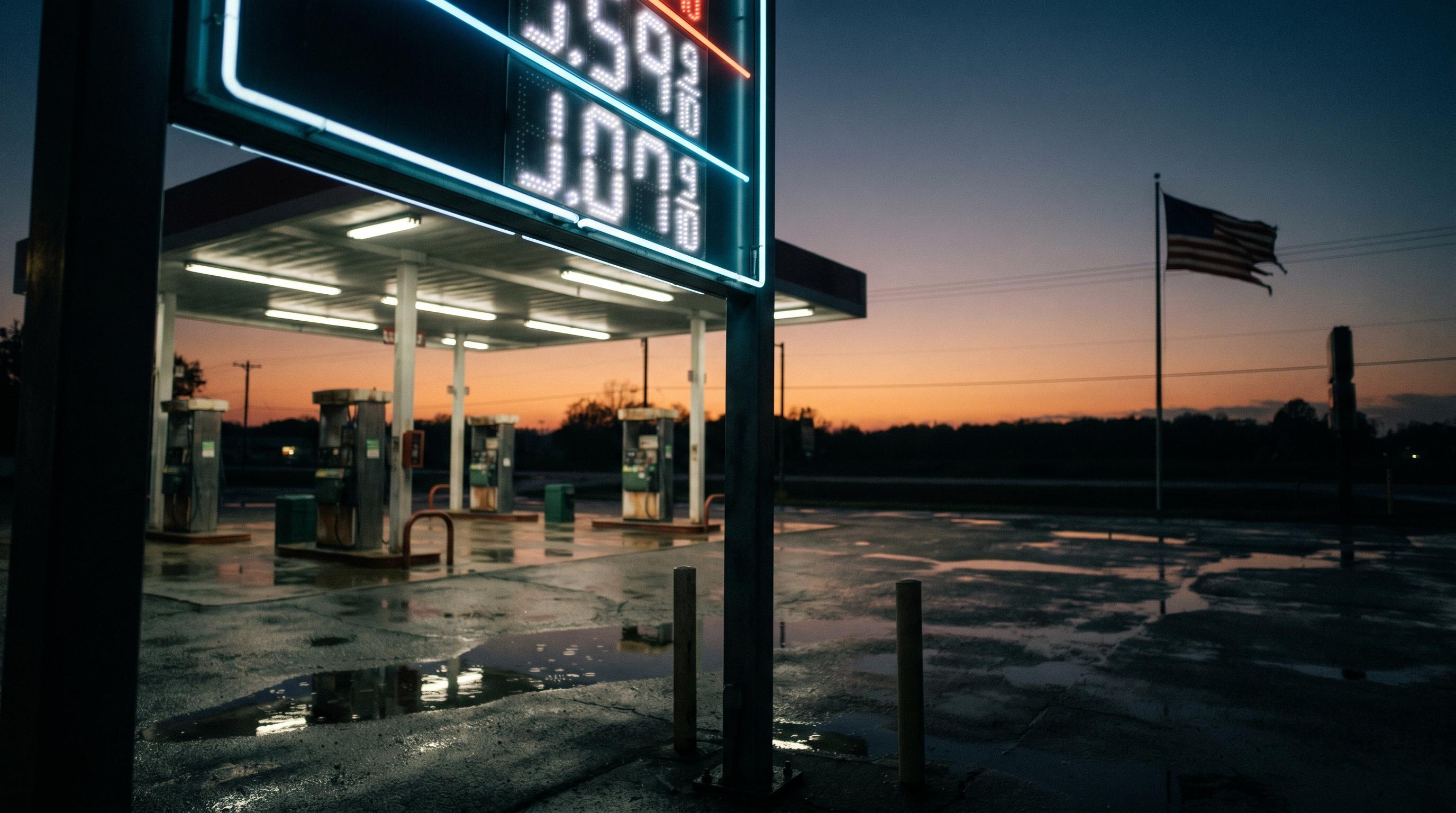
Food prices in New York are genuinely brutal, and the political energy behind this plan is not manufactured. Inflation came in at 3.5 percent nationally in June, gasoline is back above $4 a gallon, and a family in Hunts Point has been absorbing that for three years.
The failure is not in noticing the problem. It is in the diagnosis. Grocery prices in the five boroughs are what they are because of rent, energy costs, shrink from unprosecuted theft, and a regulatory regime that makes opening a store an eighteen-month legal project. A city that wanted cheaper groceries could move all four of those variables without buying a single refrigerator.
What's next
The Hunts Point store is roughly seventeen months out, which places its opening after the midterms and well before the mayor's own reelection. The first honest number will arrive in the first operating budget that has to fund the discount rather than the building.
Karen Whitfield
Staff Writer, Idiocracy News
Comments
No comments yet. Start the conversation.

The July Jobs Report Was Weak. The Line the White House Cares About Went the Right Way.
Two things are true about July: the top-line hiring number was disappointing, and the composition of American employment shifted in a direction that has not moved this way in twenty years.
The Daily Brief
Get the stories the networks skip
One email. The headlines that matter, with no corporate filter. Unsubscribe in a click.

Comments are moderated. Be civil, no spam, no links to junk.