Fauci Took the Fifth More Than 100 Times. Now the Decision Belongs to Jeanine Pirro.
A party-line committee vote sent a criminal contempt referral to the Justice Department. The interesting question is not whether Republicans wanted this — it's whether a man holding a preemptive pardon can invoke the privilege at all.
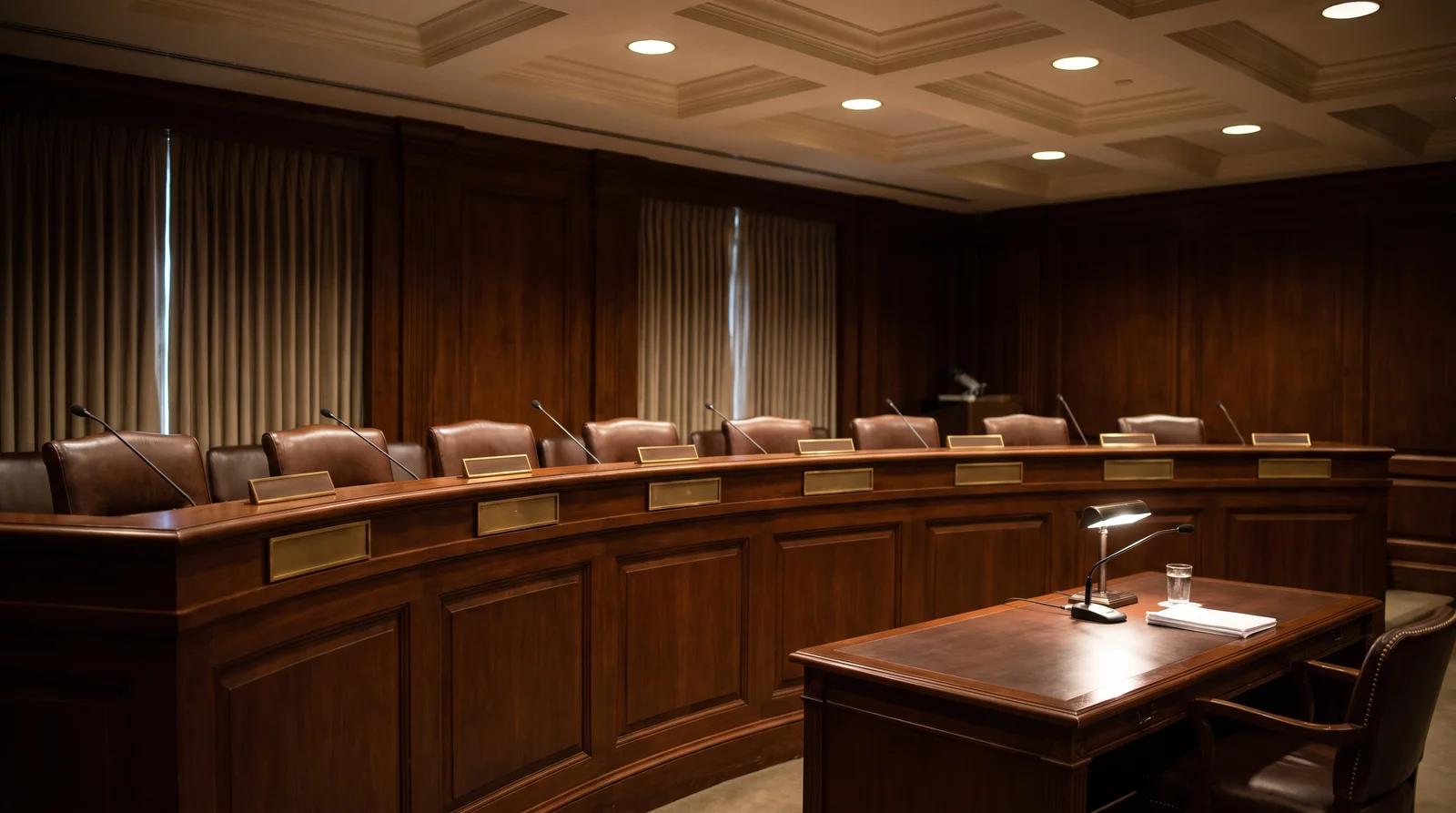
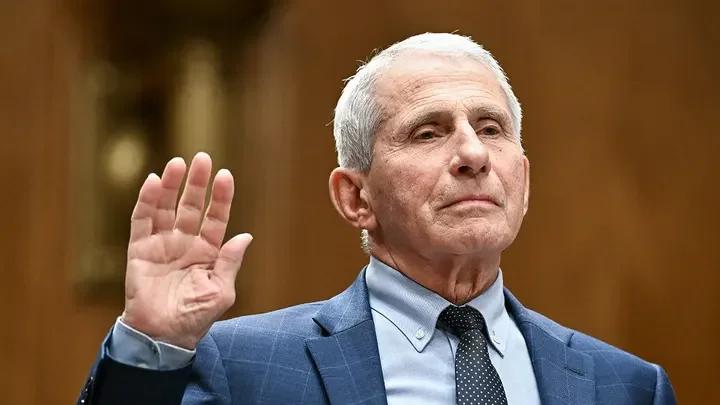
WASHINGTON — The Senate Homeland Security and Governmental Affairs Committee voted along party lines Thursday to hold Anthony Fauci in contempt of Congress and refer him to the Justice Department for possible prosecution, a week after the former NIAID director invoked his Fifth Amendment privilege more than a hundred times before the same panel.
Chairman Rand Paul structured the referral to go directly to the department rather than through a floor vote. A Justice Department spokesman said only that the referral had been received and that the department "will work with the Senate accordingly." The file lands with Jeanine Pirro, the U.S. attorney for the District of Columbia, who decides whether to charge.
Most of the coverage since has been a recitation of the politics, which are not in dispute. The legal question underneath is more interesting than either side's talking points, and it does not break the way the commentary assumes.
The pardon problem
In January 2025, President Biden issued Fauci a preemptive pardon covering federal offenses arising from his official conduct, on the stated reasoning that the incoming administration would pursue him regardless of the evidence.
That pardon is now the central obstacle to Fauci's own position — not to the committee's.
The Fifth Amendment privilege protects a witness against being compelled to give testimony that could expose him to criminal prosecution. Where the exposure is gone, so is the privilege. The Supreme Court said so directly in Brown v. Walker in 1896: a witness who has been pardoned for an offense may be compelled to testify about it, because "the danger of extending the principle of the privilege" cannot reach conduct for which no prosecution is possible.
If the pardon means what its author said it meant, then as to the pardoned conduct there is no jeopardy, and a blanket refusal to answer is not a constitutional right. It is a choice.
Where the argument gets harder
Nothing about this is a slam dunk, and prosecutors know it.
A pardon covers offenses committed up to the date it was signed. It does not immunize anything afterward, and it does not touch state law. A witness can therefore refuse to answer on the ground that truthful testimony today would expose him to a perjury charge for statements made after January 2025, or to state criminal liability somewhere, or would supply a link in a chain of evidence leading to unpardoned conduct. That last theory is broad, it is well established, and it is why blanket invocations are so rarely punished.
The practical answer is the one Congress usually reaches for and did not reach for here: immunity. A grant of use immunity under the federal statute would strip the remaining basis for the privilege and force answers or produce a clean, chargeable refusal. It also requires a two-thirds committee vote — meaning Democratic support — and it forecloses prosecuting Fauci on anything the testimony touches.
That is the trade the committee declined. It is a defensible call, and it is also the reason the referral is weaker than it needed to be.
What the questions were about
The hearings concern the funding of coronavirus research at the Wuhan Institute of Virology through the EcoHealth Alliance subgrant, what NIH officials understood about the nature of that work, and the drafting of the February 2020 statements that shaped two years of public discussion about the origin of the pandemic.
On the substance, the ground has moved a long way. The Energy Department and the FBI both assess a laboratory origin as likely. EcoHealth Alliance and its president were formally debarred from federal funding. The proposition that got Americans removed from social platforms in 2020 is now the working assumption of two federal agencies.
That history is why a hundred invocations register the way they do. A public official who spent four years insisting the record vindicated him now declines to discuss the record. Whatever its legal significance, the Fifth Amendment has never been a good look for a man whose defense was that he had nothing to hide.
What's next
Pirro's office is under no deadline. Criminal contempt of Congress carries a maximum of one year, and the department's own historical position — asserted under administrations of both parties — is that referrals involving contested privilege claims are disfavored.
The likeliest path is not an indictment. It is civil enforcement or a negotiated return appearance under narrowed questioning, with the pardon argument litigated in a courtroom rather than shouted across a dais.
That would be the better outcome anyway. The question of whether a preemptive pardon can be used as a shield against answering for the conduct it pardoned is worth a written opinion. It is going to come up again, and not only for this witness.
Daniel Reeves
Staff Writer, Idiocracy News
Comments
No comments yet. Start the conversation.

The FCC Just Killed the 39 Percent Rule. The Objection Isn't Really About the Law.
Brendan Carr's commission scrapped the cap that barred any broadcaster from reaching more than 39 percent of U.S. television households. The dissent's legal argument is serious. The press reaction is about something else entirely.
The Daily Brief
Get the stories the networks skip
One email. The headlines that matter, with no corporate filter. Unsubscribe in a click.
Comments are moderated. Be civil, no spam, no links to junk.