Why Fauci's 111 Fifth Amendment Pleas Are Headed for a Courtroom
A 130-year-old Supreme Court precedent sits at the center of the fight over whether a pardoned man can still refuse to talk.
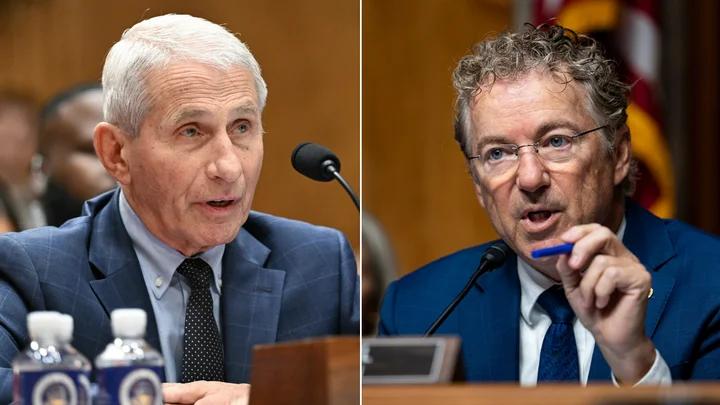
WASHINGTON — The number will outlive the hearing. One hundred and eleven times across three hours, Dr. Anthony Fauci declined to answer a question from the Senate Homeland Security and Governmental Affairs Committee, and each refusal moved a constitutional argument one step closer to a federal courtroom.
For scale: mob boss Vito Genovese invoked the privilege 150 times before a Senate committee in 1958. That is the company the comparison invites, and Republicans on the panel were happy to invite it.
The argument Republicans are making
Sen. Josh Hawley, R-Mo., spent part of his questioning time on deliberately trivial ground — the kind of questions no one could incriminate themselves answering — to establish that the privilege was being asserted as a blanket rather than a shield.
His legal hook is Brown v. Walker, an 1896 Supreme Court decision holding that a witness granted immunity must testify, even where the testimony would embarrass or disgrace him. The theory is straightforward: President Biden's preemptive pardon functions as immunity from federal prosecution, and immunity extinguishes the privilege it replaces.
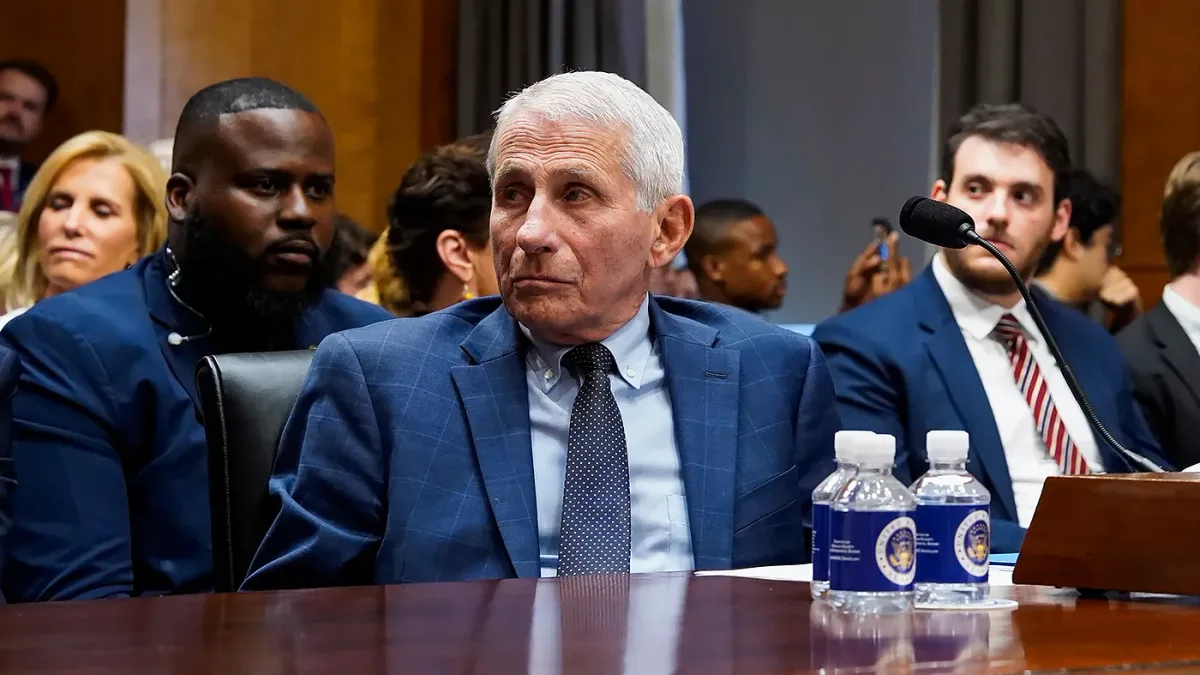
"There will be repercussions to your refusal to testify today," Sen. Rand Paul, R-Ky., told the witness, adding that the committee would weigh "what appropriate action should be taken."
The argument Democrats are making
Sen. Richard Blumenthal, D-Conn., defended the invocations as "the more prudent course" given what he characterized as a Republican intent to prosecute. The Democratic position rests on the pardon's limits rather than its existence: a federal pardon does not reach state crimes, and several states have now opened or promised inquiries. Where genuine state exposure exists, the privilege survives.
That argument has force. It also has an awkward implication that Republicans have been quick to name — that Fauci's lawyers believe there is state exposure worth protecting against.
What it means politically
Two committee aides described the Fifth Amendment strategy as a decision made weeks in advance, with full knowledge of how the optics would read. The calculation, one said, was that a bad news cycle beats a perjury referral.
Whether that calculation holds depends on institutions Congress does not control. A Senate contempt resolution needs 60 votes. Paul has signaled he would rather send the Justice Department a referral with a legal brief attached, forcing prosecutors to engage the pardon question on the record instead of letting it die in a cloakroom.
What's next
The precedent hanging over all of it is Lois Lerner. In 2014 the IRS official invoked the Fifth before the House Oversight Committee; the House held her in contempt; the Obama Justice Department declined to prosecute; nothing happened.
Republicans are betting this Justice Department behaves differently. If it does, the courts will finally answer a question the country has been arguing about since January: what a preemptive pardon actually buys, and what it costs the man who accepts one.
Daniel Reeves
Staff Writer, Idiocracy News
Comments
No comments yet. Start the conversation.
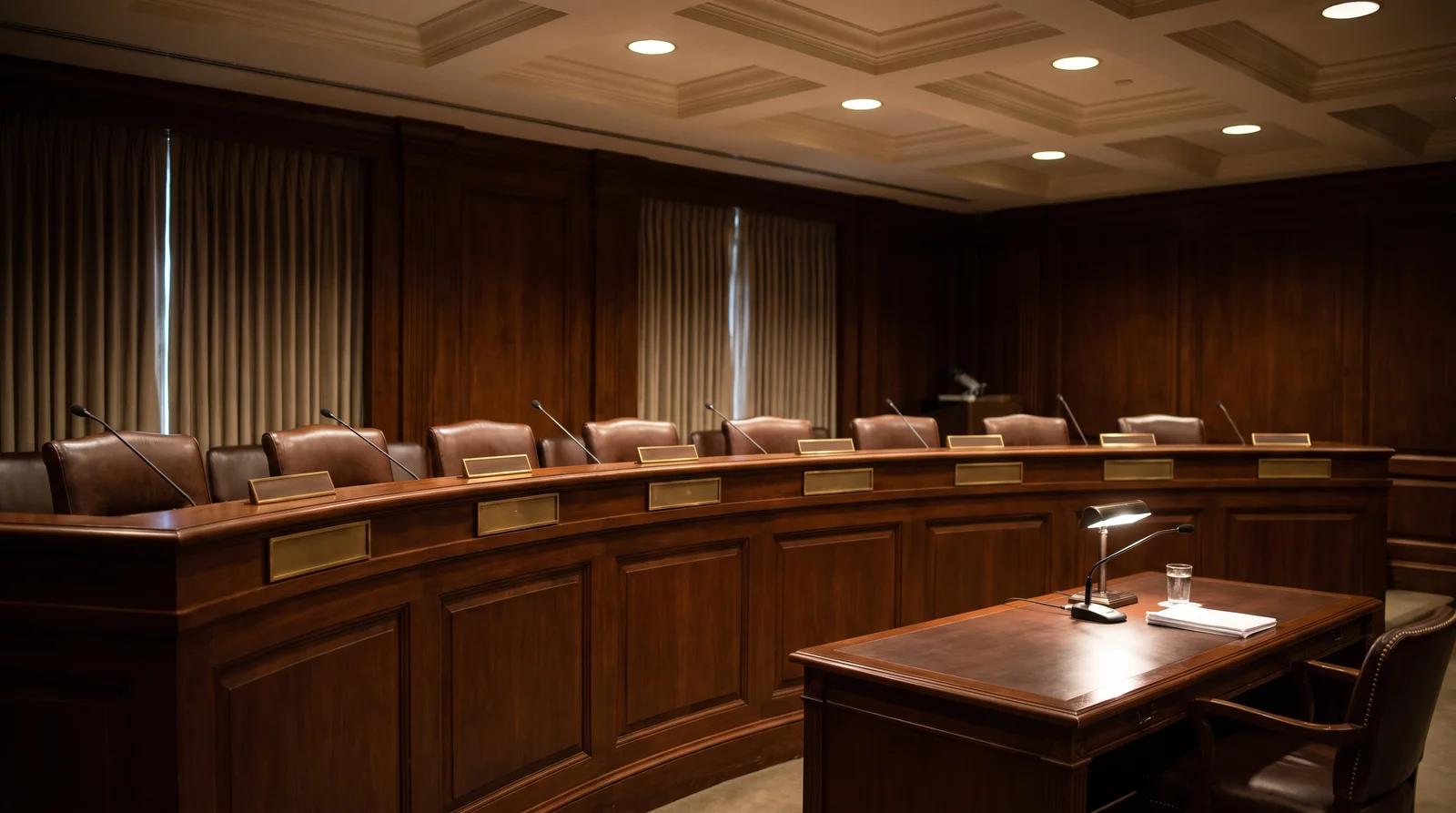
Fauci Took the Fifth More Than 100 Times. Now the Decision Belongs to Jeanine Pirro.
Rand Paul's committee referred Anthony Fauci for criminal contempt after he declined to answer more than a hundred questions. There is 130-year-old precedent that says a pardon takes the Fifth Amendment away.
The Daily Brief
Get the stories the networks skip
One email. The headlines that matter, with no corporate filter. Unsubscribe in a click.

Comments are moderated. Be civil, no spam, no links to junk.