Alito Hammers Jackson's 'Utterly Irresponsible' Solo Dissent as Court Clears Louisiana Map for 2026
Even Sotomayor and Kagan declined to sign on. The accelerated ruling clears a Republican-leaning redistricting before the midterms.
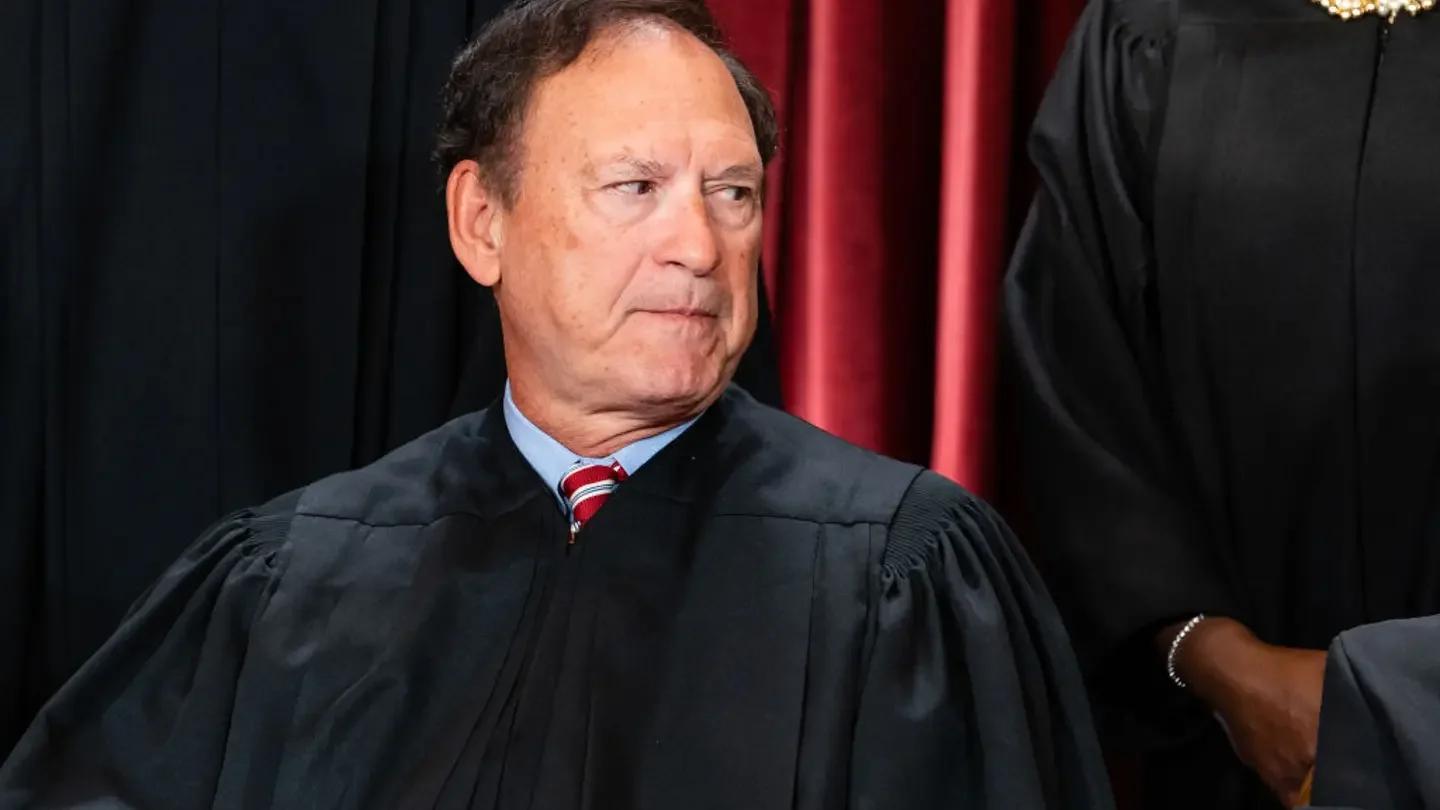
WASHINGTON — Justice Samuel Alito issued one of the sharpest written rebukes of a sitting colleague in modern Supreme Court history Monday, calling Justice Ketanji Brown Jackson's solo dissent in the Louisiana redistricting case "baseless and insulting," "groundless," and "utterly irresponsible."
The Court, ruling along the lines first laid out in its Louisiana voting-rights decision earlier this term, authorized the state to proceed with its redrawn congressional map for the 2026 primary without observing the standard 32-day waiting period before judgment is transmitted to lower courts. The decision is expected to net Republicans seats in the U.S. House.
A solo dissent — Jackson stood alone
Jackson dissented by herself. Justices Sonia Sotomayor and Elena Kagan, the Court's two other reliable liberal votes, declined to join her opinion. Jackson argued the accelerated transmission risked "the appearance of partiality" because ballots had already been distributed in Louisiana and the state's primary remained paused pending implementation.
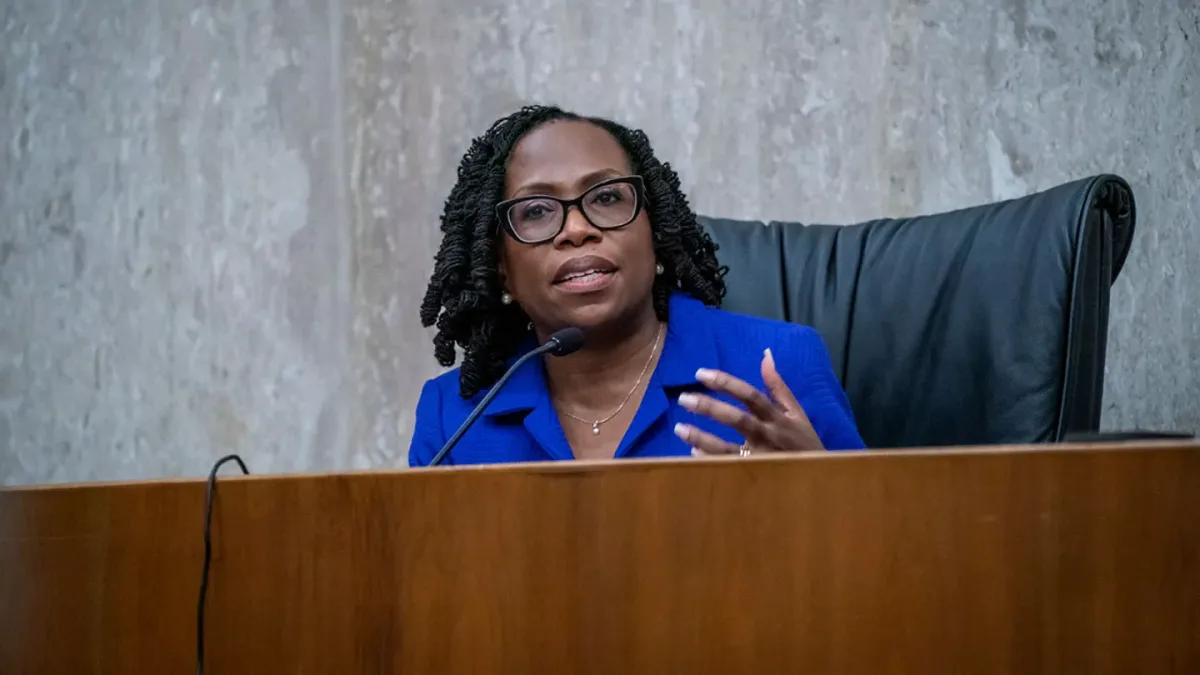
Alito, joined by Justices Neil Gorsuch and Clarence Thomas, treated the dissent as both legally and rhetorically out of bounds. The procedural rule Jackson invoked, he wrote, is flexible by design, and no party to the case had asked for reconsideration.
"It is the dissent's rhetoric that lacks restraint," Alito wrote, in a line that lit up legal Twitter within minutes. He said Jackson's claims "level charges that cannot go unanswered."
What it means for 2026
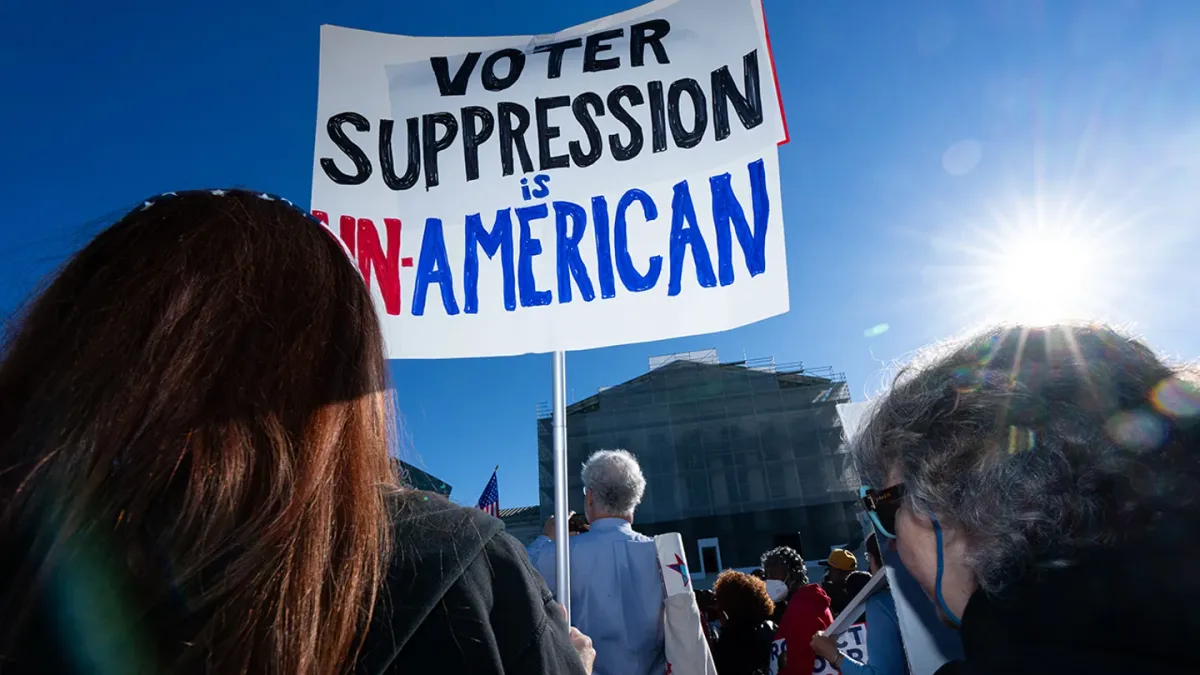
The Louisiana map is the first concrete consequence of the Court's earlier ruling that majority-minority districts drawn solely along racial lines exceed what the Voting Rights Act permits. Other Republican-led states are watching closely. Florida moved within an hour of the underlying ruling. Mississippi and Alabama are reportedly drafting maps in anticipation.
For 2026, that translates to as many as half a dozen House seats shifting toward Republican-leaning configurations — enough, in a closely divided chamber, to determine which party holds the gavel.
"When even her own bloc declines to sign on, that's the system telling you something," a former federal appellate clerk now in private practice told Idiocracy News. "Solo dissents that draw a written rebuke from three Justices are vanishingly rare. The Court was sending a signal, and it was directed at lower courts thinking about slow-walking implementation."
What's next
Louisiana's primary is expected to resume within ten days. The Justice Department has signaled it will not seek further intervention. The political battle now moves to state legislatures and to district-court judges in the half-dozen states where redistricting litigation is still live — and where the Alito concurrence will be cited in every Republican brief filed for the rest of the year.
Karen Whitfield
Staff Writer, Idiocracy News
Comments
No comments yet. Start the conversation.
Fauci Took the Fifth More Than 100 Times. Now the Decision Belongs to Jeanine Pirro.
Rand Paul's committee referred Anthony Fauci for criminal contempt after he declined to answer more than a hundred questions. There is 130-year-old precedent that says a pardon takes the Fifth Amendment away.
The Daily Brief
Get the stories the networks skip
One email. The headlines that matter, with no corporate filter. Unsubscribe in a click.

Comments are moderated. Be civil, no spam, no links to junk.