


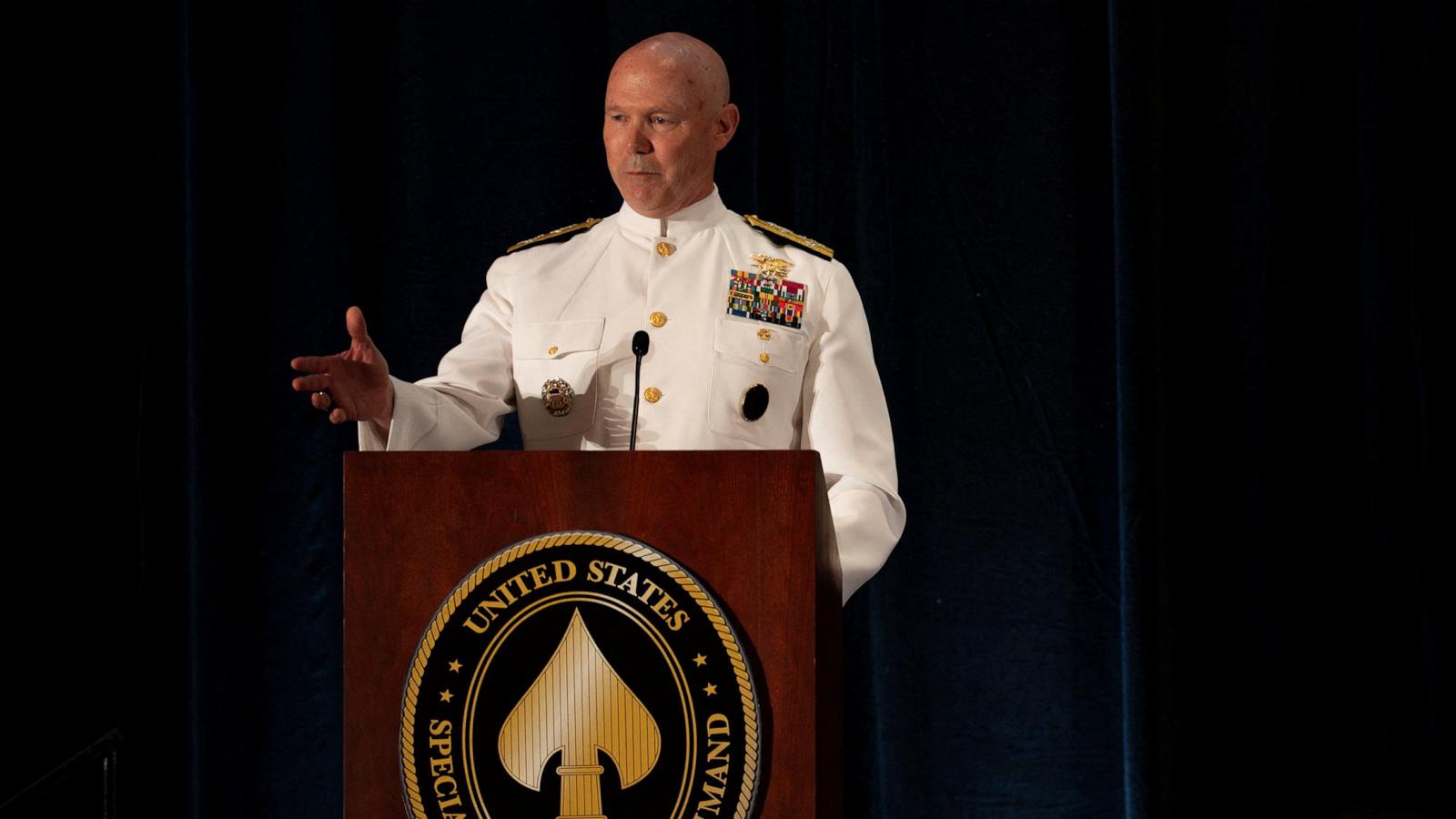
Adm. Frank “Mitch” Bradley, the commander at the center of the controversial Sept. 2 strikes on an alleged drug-running boat in the Caribbean Sea, has served for decades as a Navy SEAL officer while rising through the ranks to lead all U.S. special operators globally.
Bradley will brief lawmakers on Capitol Hill on Thursday in a bipartisan inquiry into the incident, in which two survivors from a first strike were later seen climbing back into the boat, a source familiar with the incident told ABC News.
The source said the pair of survivors were later killed in a second strike because they were deemed to “still be in the fight” because they were in communications with other vessels nearby and were gathering some of the cargo of drugs the boat had been carrying.
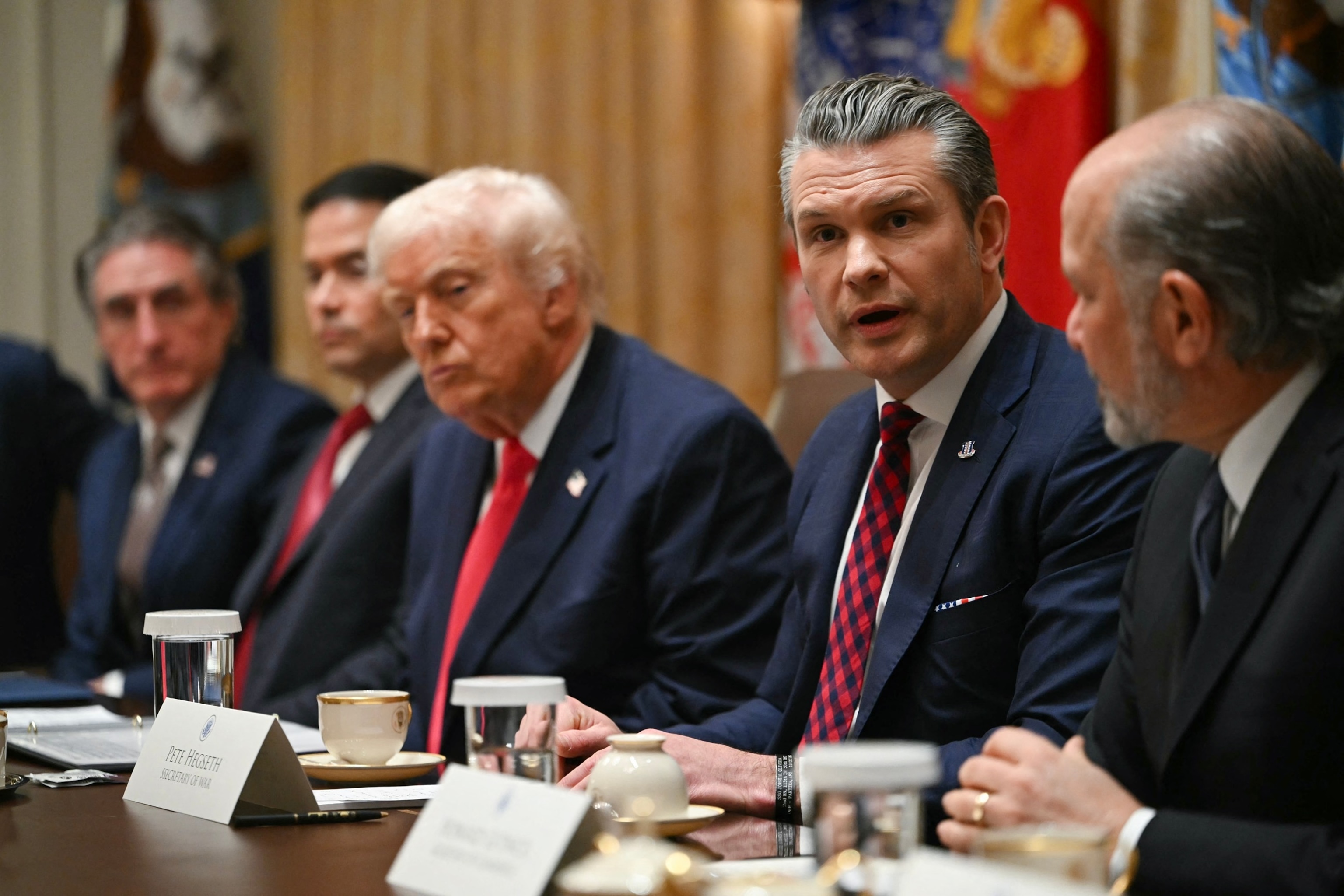
The White House and Defense Secretary Pete Hegseth have said it was Bradley’s call to order the second strike.
The initial attack was overseen by Hegseth himself, who told reporters at the White House on Tuesday that he watched the first strike unfold before leaving for meetings. He said he did not see any survivors or any further strikes that followed.
“Admiral Bradley made the correct decision to ultimately sink the boat and eliminate the threat,” Hegseth said.
“He sunk the boat, sunk the boat, and eliminated the threat. And it was the right call. We have his back,” he said.
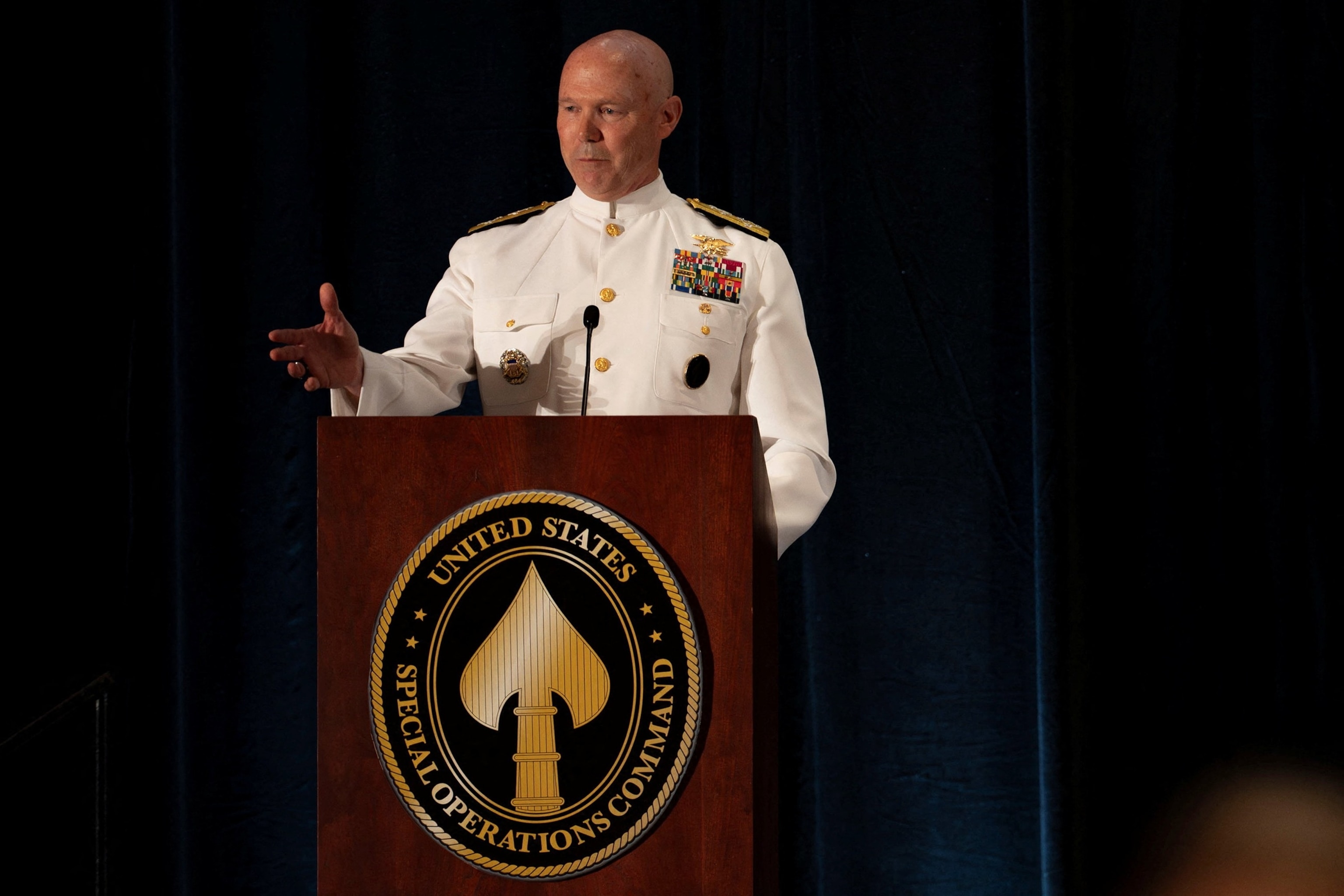
At the time of the attack, Bradley was the three-star admiral in command of the Joint Special Operations Command that oversees the most sensitive special operations missions carried out by units like SEAL Team Six and Delta Force.
Bradley graduated in 1991 from the U.S. Naval Academy, where he studied physics and was a varsity gymnast, according to his Navy biography, and has commanded at all levels of U.S. special operations.
He was among the first to deploy into Afghanistan after the 9/11 terror attacks, his bio says.
Originally from Eldorado, Texas, Bradley earned a Master’s Degree in physics from Naval Postgraduate School in Monterey, California, where he received a provisional patent for his research in 2006, according to his bio.
Those who served with him characterized him as among the military’s best.
Retired Navy Cdr. Eric Oelerich, a former SEAL and current ABC News contributor, said Bradley, who’s been a mentor to him for decades, is an adaptive leader and “one of the most intelligent officers” in the U.S. military.
“Bradley is an example of the very best of what is in the U.S. military,” said Oelerich, who commanded special operators as a Navy officer. “And he is a man extremely grounded in morality.”
Retired Brig. Gen. Shawn Harris, who worked with Bradley and is now a Democratic candidate for Congress in Georgia, told ABC News the admiral is “an outstanding leader.”
Used to operating in the shadows as a senior special operations leader, Bradley made a rare public appearance in July at a Senate confirmation hearing. Nominated to serve as the four-star commander of U.S. Special Operations Command, he was confirmed and assumed the rank and command role in October.
At the time of the September strike, Bradley headed Joint Special Operations Command (JSOC), which has operational authority over the military’s elite special warfare units.
In his confirmation hearing to lead Special Operations Command, the parent organization of JSOC, Bradley said officers under his command would be focused on preventing civilian harm and the laws of war.
“Just to resonate, it is not only an obligation to adhere to the law of armed conflict to protect civilians, it is critical to our success and competition to represent our values,” Bradley told Sen. Elizabeth Warren, D-Mass. “I believe that every uniformed, every civilian, and every contractor that is employed or in oversight of the use of lethal force has a critical obligation to be able to do that, and I do commit to keeping that as a focus for our command, if confirmed.”
Warren replied, “That is a strong answer, and I appreciate it.”
The administration has maintained that the 11 people killed in the Sept. 2 incident — as well as the more than 80 killed by strikes in the Caribbean and the eastern Pacific Ocean — were not civilians but rather terrorist combatants that the U.S. wasempowered to kill on self-defense grounds.
Some legal experts, including a group of former military lawyers, have said they believe the people killed in the follow-up strikes were no longer in the fight and therefore not legal military targets.
ABC News: Top Stories
Read the full article .