

Top CEOs have expressed relief after U.S. President Donald Trump backed away from further European tariffs, but told CNBC they were still prioritizing being resilient amid geopolitical instability and regionalization.
Conor Hillery, JP Morgan
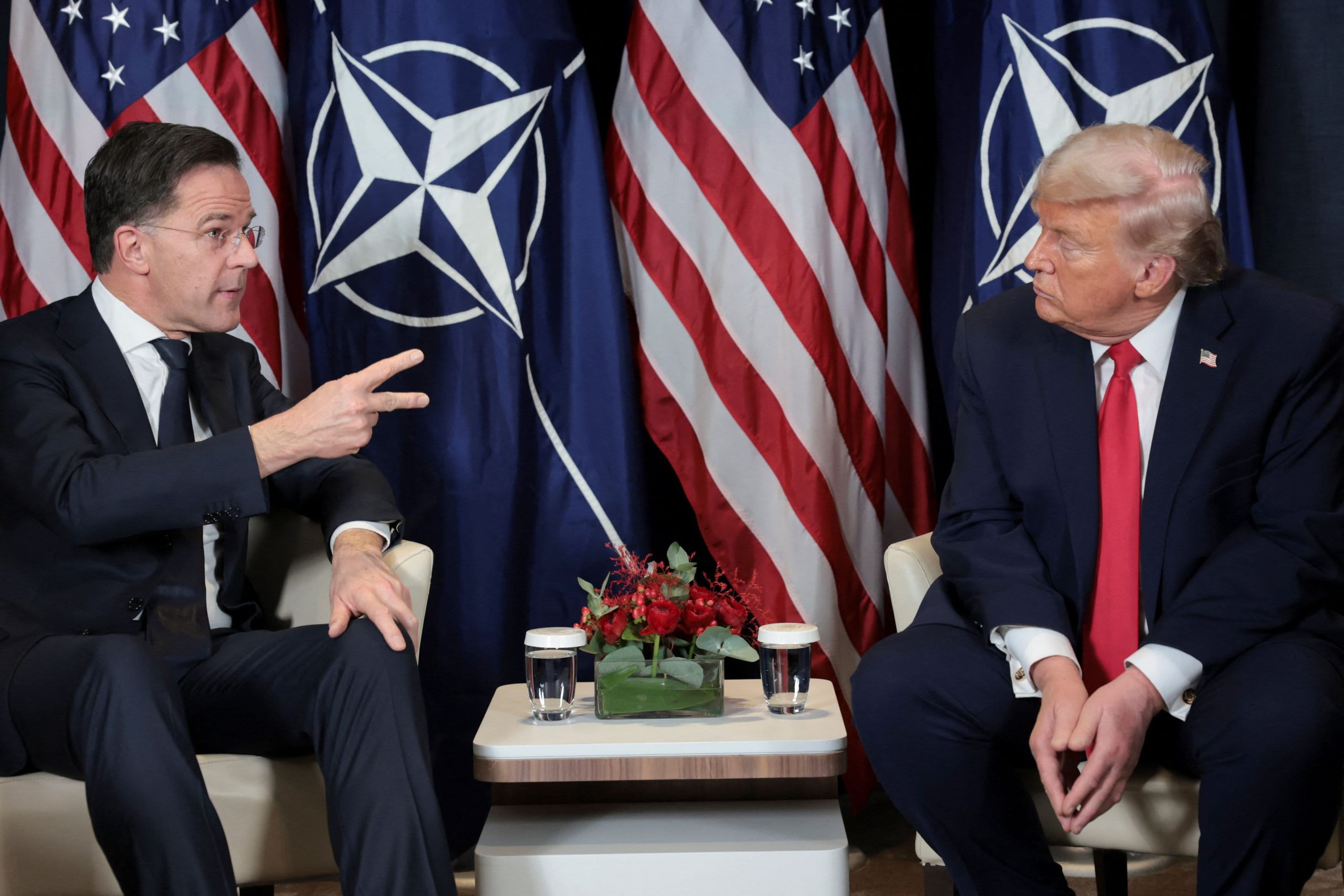
Trump announced Wednesday that he and NATO Secretary General Mark Rutte had agreed on a “framework of a future deal” involving Greenland, and he would not proceed with 10% tariffs on eight European countries that had resisted his efforts.
European markets rebounded in morning dealmaking, with auto-related stocks notching the continent’s biggest gains. European carmakers are particularly sensitive to levies given their global supply chains and Stateside manufacturing operations.
Speaking to CNBC on Thursday from the World Economic Forum in Davos, Hillery said European leaders’ coordinated stance on Trump was “something that business has been crying out for.”
“It’s more cohesion among European leaders, more policy driven towards business growth, stability, innovation, investment and so forth. What you’ve seen over the last few days has obviously been more focused on Greenland and tariffs and so forth, and it has borne fruit,” he told CNBC’s “Squawk Box Europe.”
The president described the fresh framework as more of a “concept” in an interview with CNBC’s Joe Kernen. It could involve U.S.-European collaboration on a proposed Golden Dome missile defense system and access to mineral resources in Greenland, he said.
Geopolitical risk dominated Davos, after what Hillery called a “roller coaster” year since Trump returned to the White House.
“There still is a feeling of resilience and some kind of confidence” in the macroeconomic and corporate outlook despite “high degrees of anxiety about where the world is going,” Hillery said.
SAP is a global business but Klein said he felt “bad” for European startups because the continent lacks a digital union, making it more difficult for them to scale and become more resilient.
Klein added European businesses could use AI to build wider moats, urging business leaders to take risks and the European Union to deregulate to unlock greater capital and talent.
Henrik Andersen, CEO of Wind energy company Vestas
“We have factories that produce, in most major markets, turbines for that market based on local components. If we look at how we source, [it’s] either in the U.S. from U.S. partners, or we source in Europe from European partners, and even in Denmark from Danish partners, we are both a global and a national source of components to turbines, and everything produced in China just exported to the rest of the world, is not again, a fact of life,” said Andersen.
Read more
Before Trump backed down on tariffs, Wolf von Rotberg, equity strategist at J. Safra Sarasin Sustainable Asset Management, said markets “have come around to understand three things about Trump.”
“His initial proposals and demands are always an opening gambit. They are often as aggressive as they could be… He does not really chicken out, but his strategy requires him to retreat from his maximalist position over time.
“While his rhetoric may sometimes suggest the opposite, Trump actually takes very calculated risks.
“He is very much focused on markets and on getting the best deal possible. Investors have learned to look through the noise and to understand that Trump is as sensitive to falling stock prices as they are.”
International: Top News And Analysis
Read the full article <a href="Read More” target=”_blank”>here.