


The Center for Healthcare Quality & Payment Reform (CHQPR) released a report detailing how more than 100 rural hospitals have closed over the past decade, and more than 700 rural hospitals are at risk of closure. It found that in the majority of states more than 25 percent of rural hospitals are at risk of closing, and in 10 states, 50 percent or more are at risk.
The Center found that these 700 rural hospitals at risk of closures, which amount to one-third of all rural hospitals, are at risk due to financial problems they continue to face, which include:
- Losses on patient services. Rural hospitals face higher costs to deliver health care to rural communities.
- Insufficient revenue replaced to offset lost revenue from the closure of pandemic-era federal assistance.
- Limited financial reserves as rural hospitals rack up debt.
The Center wrote how the closure of rural hospitals would harm patients and the local economy:
Most at-risk hospitals are in isolated rural communities, where closure of the hospital would force residents of the community to travel a long distance for emergency or inpatient care. Moreover, in many cases, the hospital is the only place where residents can get laboratory tests or imaging studies, and it may be the principal source of primary care in the community. As a result, closure of the hospital would cause a loss of access to many essential healthcare services. In addition, rural hospital closures threaten the nation’s food supply and energy production, because farms, ranches, mines, drilling sites, wind farms, and solar energy facilities are located primarily in rural areas, and they will not be able to attract and retain workers if health care isn’t available in the community.
CHQPR found that private health insurance often pays less than what it costs to deliver services to patients in rural areas. The group called for:
- Congress to require that Medicare Advantage plans pay small rural hospitals adequately.
- Employers and residents to choose private plans that pay hospitals properly.
- Rural hospitals to not be forced to eliminate inpatient care to receive higher payments for other services.
The Big Beautiful Bill seeks to protect rural hospitals through the Rural Health Transformation Program (RHTP), which supplies $50 billion to stabilize and strengthen rural hospitals and providers.
“This legislation makes the largest investment in decades in rural health care, ensuring states have the resources they need to address the unique challenges facing their rural hospitals,” Senate Finance Committee Chairman Mike Crapo (R-ID) said in a written statement in July. “This is an efficient way to ensure the sustainability of our rural health care facilities while protecting taxpayer dollars from waste, fraud and abuse.”
The Centers for Medicare & Medicaid Services (CMS) announced Monday that all 50 states will receive awards under the RHTP program, with first-year awards from CMS averaging roughly $200 million.
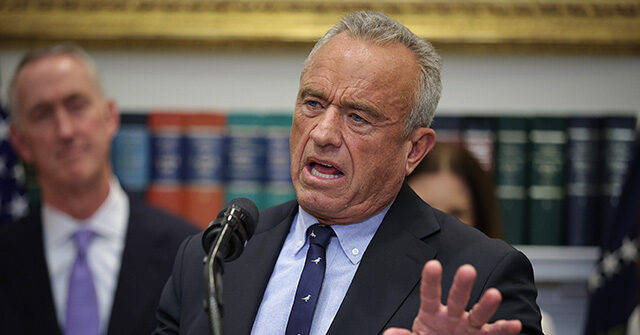
“More than 60 million Americans living in rural areas have the right to equal access to quality care,” Health and Human Services Secretary Robert F. Kennedy Jr. said in a written statement. “This historic investment puts local hospitals, clinics, and health workers in control of their communities’ healthcare. Thanks to President Trump’s leadership, rural Americans will now have affordable healthcare close to home, free from bureaucratic obstacles.”
“Today marks an extraordinary milestone for rural health in America,” CMS Administrator Dr. Mehmet Oz said. “Thanks to Congress establishing this investment and President Trump for his leadership, states are stepping forward with bold, creative plans to expand rural access, strengthen their workforces, modernize care, and support the communities that keep our nation running. CMS is proud to partner with every state to turn their ideas into lasting improvements for rural families.”
Breitbart News
Read the full article .