


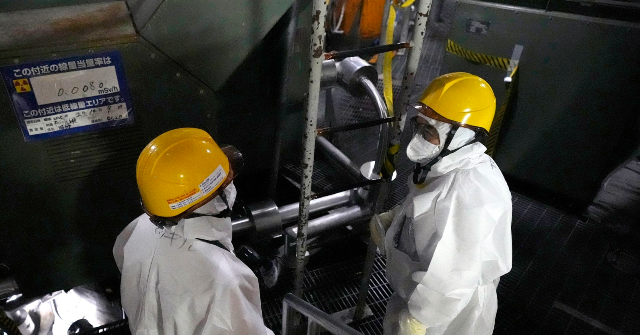
Japan shut down 54 of its nuclear reactors after the earthquake and tsunami that damaged the Fukushima Daiichi plant in 2011. Thirty-three of those reactors have been deemed suitable for reactivation over the ensuing 15 years, and 14 of those have been restarted.
Kashiwazaki-Kariwa, located about 137 miles northwest of Tokyo in Niigata prefecture, has seven reactors and a total capacity of 8.2 gigawatts, making it the largest nuclear power plant in the world. It is operated by the Tokyo Electric Power Company (TEPCO), the same company that manages Fukushima Daiichi.
Japan’s energy strategy calls for up to 22 percent of its electricity to come from nuclear power by 2030, as part of a plan to move away from fossil fuel power generation. Kashiwazaki-Kariwa has been upgraded to meet new safety requirements imposed after the Fukushima disaster, and it has passed rigorous safety inspections.
In late November, Governor Hanazumi approved TEPCO’s plan to restart one of Kashiwazaki-Kariwa’s 1.36 gigawatt reactors in January 2026, with a second reactor to follow by 2030. None of the 14 other reactors that have been brought back online since 2011 were operated by TEPCO.
“It would be difficult to stop something that passed the country’s regulatory standards without any rational reason,” the governor said in November, although he added that he would prefer to find energy solutions that do not “cause anxiety.”
Prime Minister Takaichi Sanae has indicated her support for restarting more nuclear reactors to lower energy costs and make Japan more energy-independent.
Chief Cabinet Secretary Kihara Minoru said on Friday that restarting Kashiwazaki-Kariwa’s reactors was an important step toward “reducing electricity prices and securing decarbonized power sources.”
On Monday, the Niigata assembly voted its support for Hanazumi’s plan, clearing the last legal hurdle to the reactor restart.
“This is a milestone, but this is not the end. There is no end in terms of ensuring the safety of Niigata residents,” Hanazumi said.
Many local residents support restarting the nuclear plant, something TEPCO says could happen as early as January 20, as fuel loading into the reactor was completed in October. Others remain concerned about safety. According to recent polls, 60 percent of residents do not think the reactor should be restarted so soon, and 70 percent said they were particularly worried about TEPCO running the plant.
About 300 protesters assembled outside the reactor on Monday, brandishing signs that said “No Nukes,” “We Oppose the Restart of Kashiwazaki-Kariwa,” and “Support Fukushima.”
“I am truly angry from the bottom of my heart. If something was to happen at the plant, we would be the ones to suffer the consequences,” one of the protesters said.
“I never thought that TEPCO would operate a nuclear power plant again,” said another, a woman who relocated to Niigata from Fukushima after the 2011 earthquake. “As a victim of the Fukushima nuclear accident, I wish that no one, whether in Japan or anywhere in the world, ever again suffers the damage of a nuclear accident.”
When one of the protesters used a microphone to ask, “Is TEPCO qualified to run Kashiwazaki-Kariwa?” the crowd roared back, “No!”
The Japan Times noted that TEPCO has pledged some $641 million in investments in Niigata to win over the residents, but many remain skeptical, especially older residents. TEPCO, other power companies, and the government in Tokyo are hoping that a successful restart of the largest nuclear plant in Japan, and the world, will boost public confidence.
Breitbart News
Read the full article .