


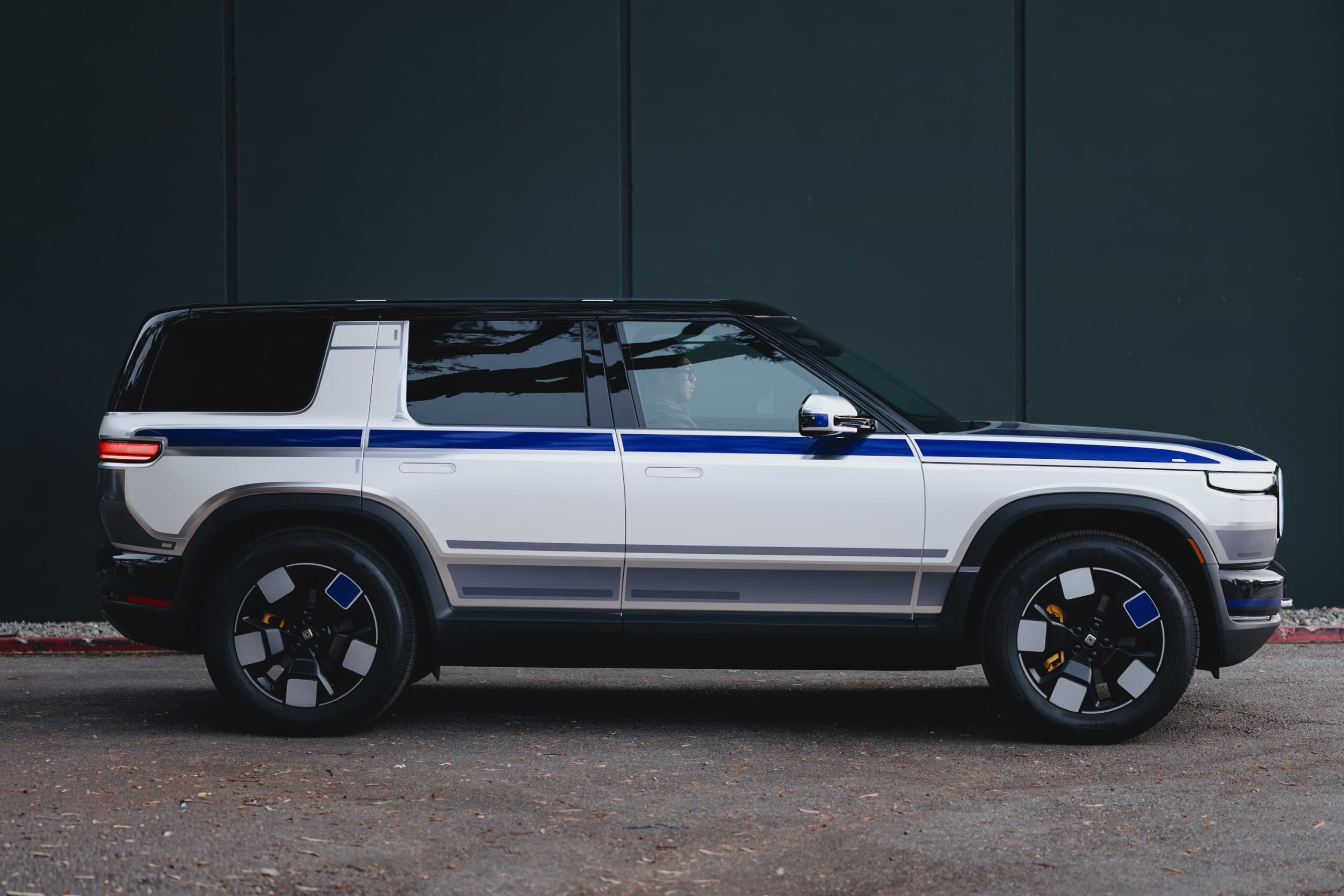
Electric vehicle maker Rivian AutomotiveAutonomy and AI Day” on Thursday in Palo Alto, California.
Rivian also said it plans to roll out an Autonomy+ subscription with “continuously expanding capabilities” to customers in early 2026, to be powered by its Rivian Autonomy Processors and autonomy computers.
The Autonomy+ offering will be priced at $2,500 as a one-time upfront purchase or is available for $49.99 per month to start. By comparison, competitor Tesla
The company said in a statement that a near-future software update will include a “Universal Hands-Free,” capability, allowing Rivian customers “hands-free driving” on “over 3.5 million miles of roads in North America, covering the vast majority of marked roads in the US.”
Unlike its primary competitor, Tesla, Rivian said it intends to use lidar, or light detection and ranging, systems and radar sensors in its forthcoming cars to enable “level 4,” or fully automated driving, as defined by SAE Levels of Driving Automation.
A passenger can sleep in the back seat in a level 4 self-driving car while it carries them to their destination in normal traffic and weather conditions. Waymo, the Alphabet
Rivian CEO RJ Scaringe said Thursday the company’s forthcoming self-driving vehicles enable the company “to pursue opportunities in the rideshare space,” also known as robotaxis.
Rivian is not alone in aiming to deliver autonomous systems that meet level 4 expectations, while rolling out partially automated features along the way to drivers who generally want these to reduce fatigue on long drives or make them safer behind the wheel overall.

Tesla and General MotorsHondaLucid
Rivian is under pressure to prove its future growth potential to investors and to grow its customer base amid slowing sales of battery electric vehicles in the U.S. and competition from Chinese EV makers internationally.
The fully electric vehicle segment has experienced a sales slump domestically after the Trump administration put an early end in September to a $7,500 federal tax credit previously available for EV buyers in the U.S.
Shares of Rivian are up about 25% this year, but remain off more than 80% since the company’s 2021 initial public offering amid internal and external challenges.
International: Top News And Analysis
Read the full article <a href="Read More” target=”_blank”>here.