


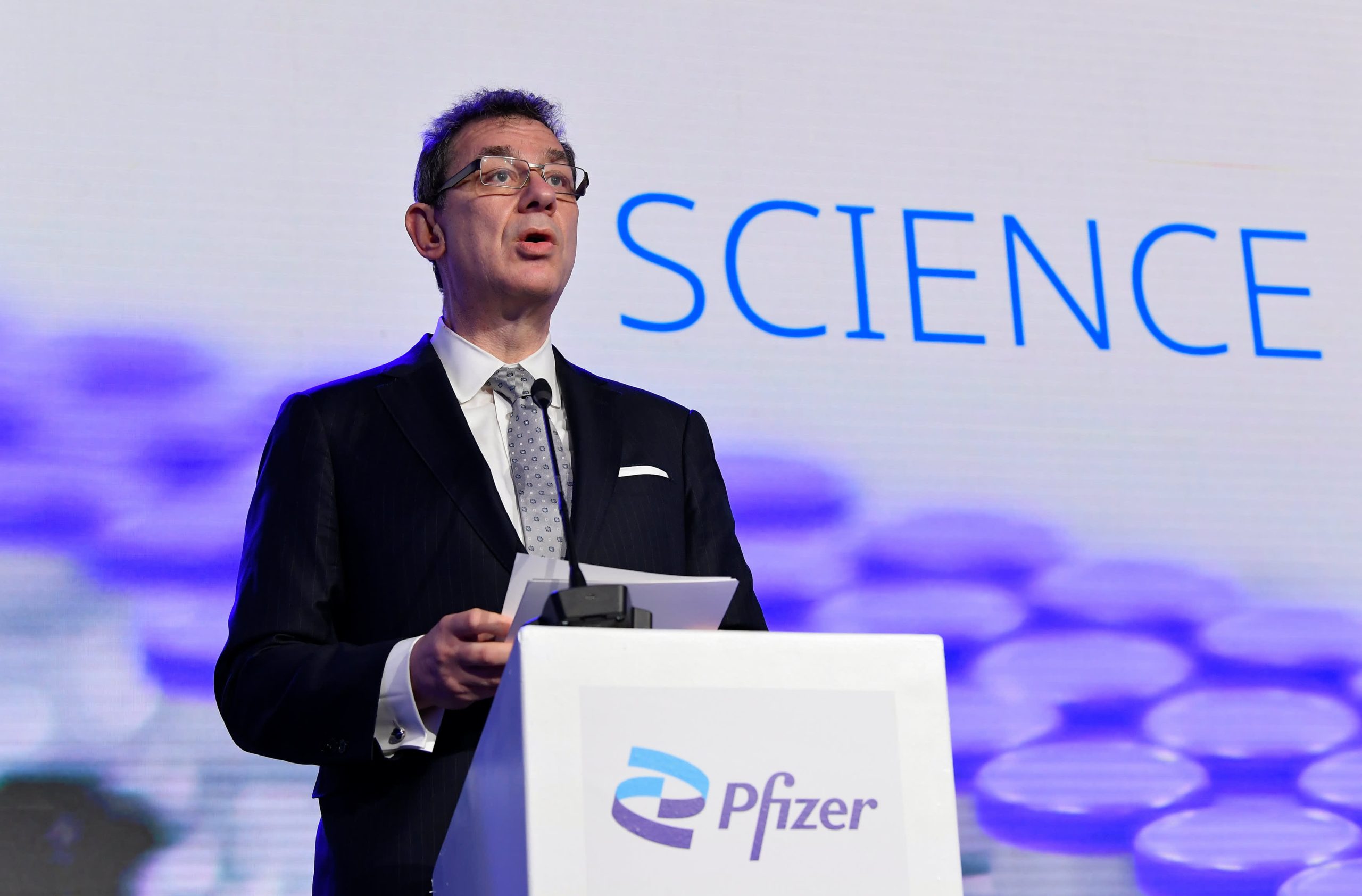
Pfizerup to $2.1 billion licensing deal with YaoPharma to develop and commercialize its obesity pill, furthering the pharmaceutical company’s push into the weight loss space.
Pfizer will pay YaoPharma, a subsidiary of Chinese drugmaker Shanghai Fosun Pharmaceutical, an up-front payment of $150 million. YaoPharma could also receive up to $1.94 billion in milestone payments, along with tiered royalties on sales if the drug is approved.
YaoPharma’s drug works by targeting the same gut hormone, GLP-1, as Novo Nordisk
The deal will help Pfizer beef up and diversify its obesity drug pipeline after a string of setbacks, including its decisions to scrap two different pills over the past two years. The drugmaker boosted its prospects in the competitive space with its up to $10 billion acquisition of the obesity biotech Metsera last month, following a fierce bidding war with Novo Nordisk.
“We look forward to contributing our expertise and resources to continue the development of this investigational GLP-1 small molecule which complements and strengthens our growing portfolio of novel candidates for treating obesity and its adjacent diseases,” said Chris Boshoff, Pfizer’s chief scientific officer, in a statement.
Under the terms of the agreement, YaoPharma will conduct a phase one trial on its drug, while Pfizer will take control of later development. Pfizer also plans to conduct studies combining YaoPharma’s treatment with its own drug targeting another gut hormone receptor called GIP, which is currently in mid-stage development.
That combination isn’t new in the space: Eli Lilly
In a note on Tuesday, BMO Capital Markets analyst Evan Seigerman said limited information is available on YaoPharma’s drug, called YP05002. But Seigerman said he views “obesity diversification as promising in the short term” for Pfizer.
He added that Pfizer’s $150 million up-front payment reflects “prudent capital conservation in light of the recent Metsera bidding war.”
The opportunity to enter the booming weight loss drug market could be huge for Pfizer. Some analysts expect the weight loss drug space could be worth roughly $100 billion by the 2030s.
It’s unclear exactly how many people are using GLP-1s in the U.S., especially for obesity in particular. But around 1 in 8 adults said they were taking a GLP-1 drug to lose weight or treat another chronic condition as of November, according to a poll from health policy research organization KFF.
International: Top News And Analysis
Read the full article <a href="Read More” target=”_blank”>here.