


NEWYou can now listen to Fox News articles!
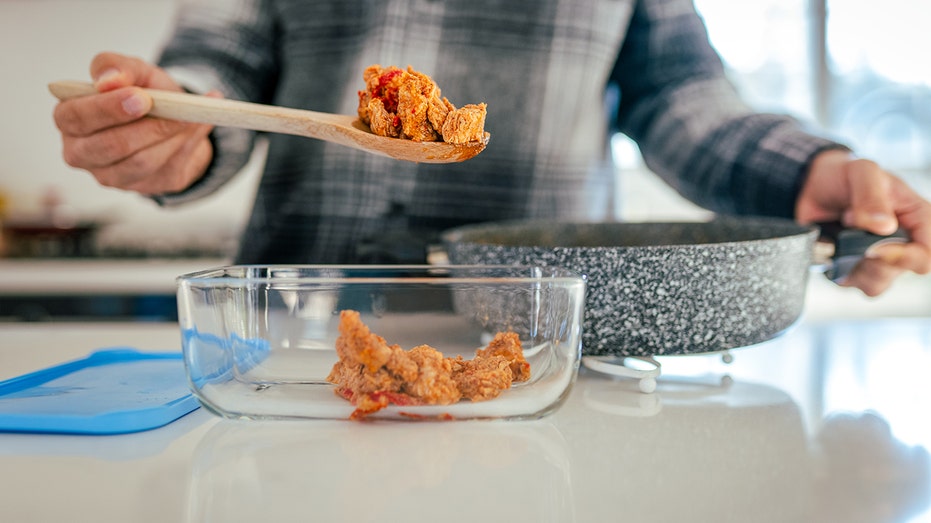
Americans feeling squeezed by rising grocery bills are getting more inventive with leftovers in the kitchen.
Although overall food inflation has cooled, the prices of many staples — including beef, chocolate and coffee — are still rising.
From “bone bags” to “pizza eggs,” “fridge foraging” to designated leftover nights, budget-minded home cooks are transforming their table scraps into full-blown meals, reports show — and nearly half of consumers say they’re now eating more leftovers, according to a recent Wall Street Journal survey.
5 BULK GROCERY STAPLES THAT MIGHT ACTUALLY BE A WASTE OF MONEY, EXPERTS WARN
Chef and influencer Amanda Frederickson, based in Nashville, helped turn “fridge foraging” into a social media trend by showing others how to turn scraps and leftovers into creative meals. It’s a concept that surged in popularity during the pandemic and again this year.
“We’re all trying to figure out what to make for dinner, and we’re all trying to save money on groceries,” Frederickson told The Journal. “If you throw away food, you’re literally throwing away your money.”
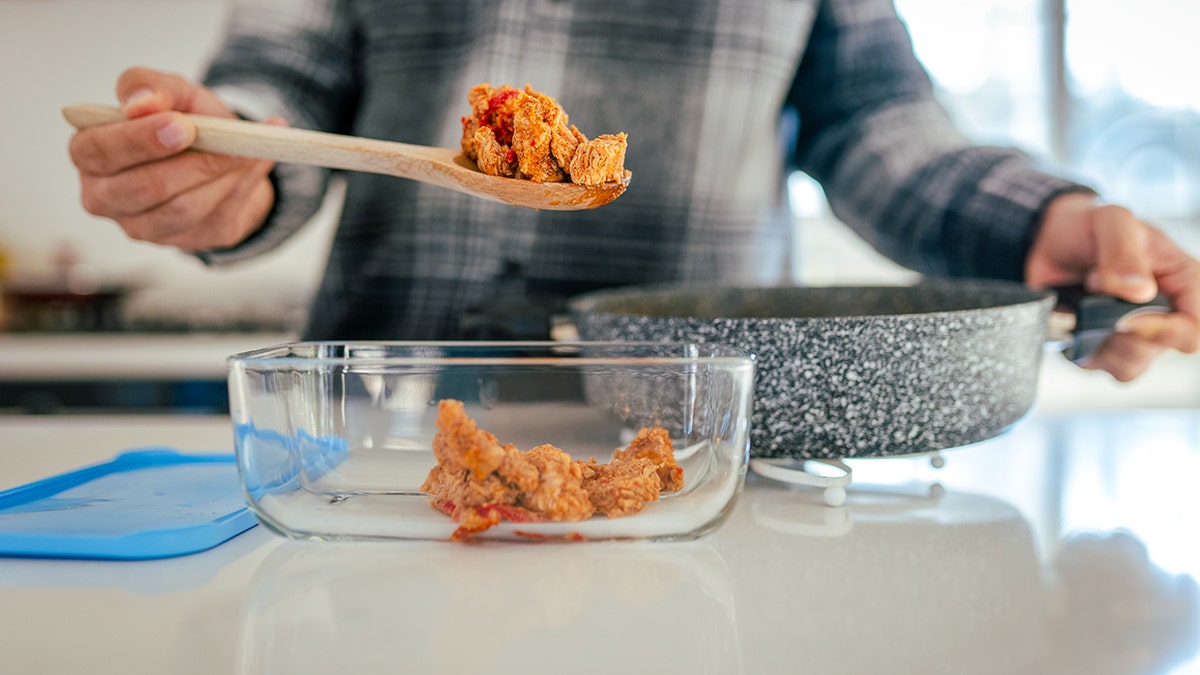
The average American family loses $1,500 each year by throwing away food, according to the U.S. Department of Agriculture’s Economic Research Service.
In Plymouth, Minnesota, development coordinator Sarah Duggal has revived a college hack to save money: pizza eggs.
HAMBURGER HELPER SALES SURGE AS AMERICANS TIGHTEN BUDGETS AND SEEK CHEAP, FILLING MEALS
She crisps up pizza leftovers in a pan the next morning and scrambles them with eggs, she told The Journal. Sides of rice from Chinese takeout are also repurposed for fried-rice dinners.
Kelly Bair, a Chicago-based architect, gradually fills up plastic bags in the freezer with vegetable scraps and leftover meat bones, which she eventually turns into broth for soups, rice and quinoa, per the report.

Even rib bones from BBQ restaurants are fair game, and her husband and their two sons cooperate.
“Everyone is really well-trained” on the money-saving hack, Bair told the outlet.
THESE 7 KITCHEN TOOLS CAN SNEAKILY HELP LOWER YOUR GROCERY BILL
Grocery brands are also aware of the need for innovation.
Brendan Foley, chief executive of spice maker McCormick in Maryland, reportedly said earlier this year that consumers are buying more seasonings to spice up their home cooking, which they have been relying on to save money.
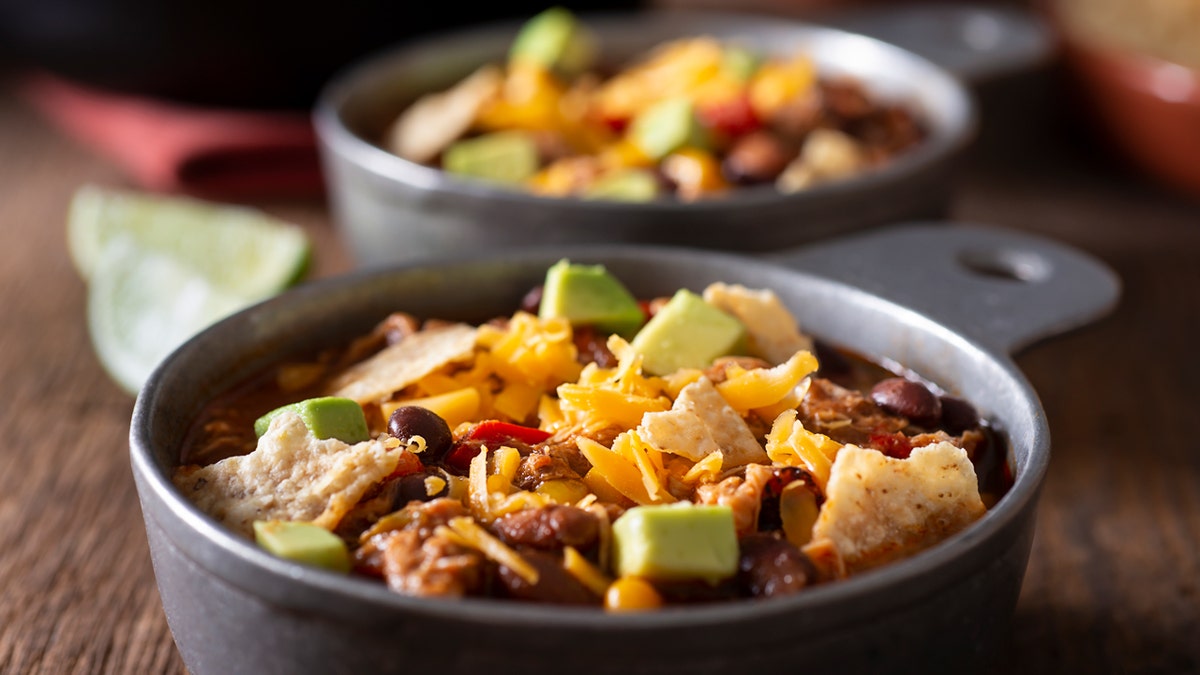
According to home cooks on Reddit, it takes a mindset shift to be extra savvy with leftovers.
“There’s nothing ‘left over’ about it — it’s a plan,” one user said in the subreddit r/Food.
TEST YOURSELF WITH OUR LATEST LIFESTYLE QUIZ
To avoid eating the same thing twice, the person recommended cooking proteins but using them in different dishes, such as stir-fry, ramen and chicken salad over the course of a few days.
CLICK HERE TO SIGN UP FOR OUR LIFESTYLE NEWSLETTER
“You don’t go into it as, ‘I’m going to make X recipe. What do I do with my leftover chicken?'” another person wrote.
“Instead it’s, ‘I’ve got some chicken. What five recipes am I going to make with it?'”
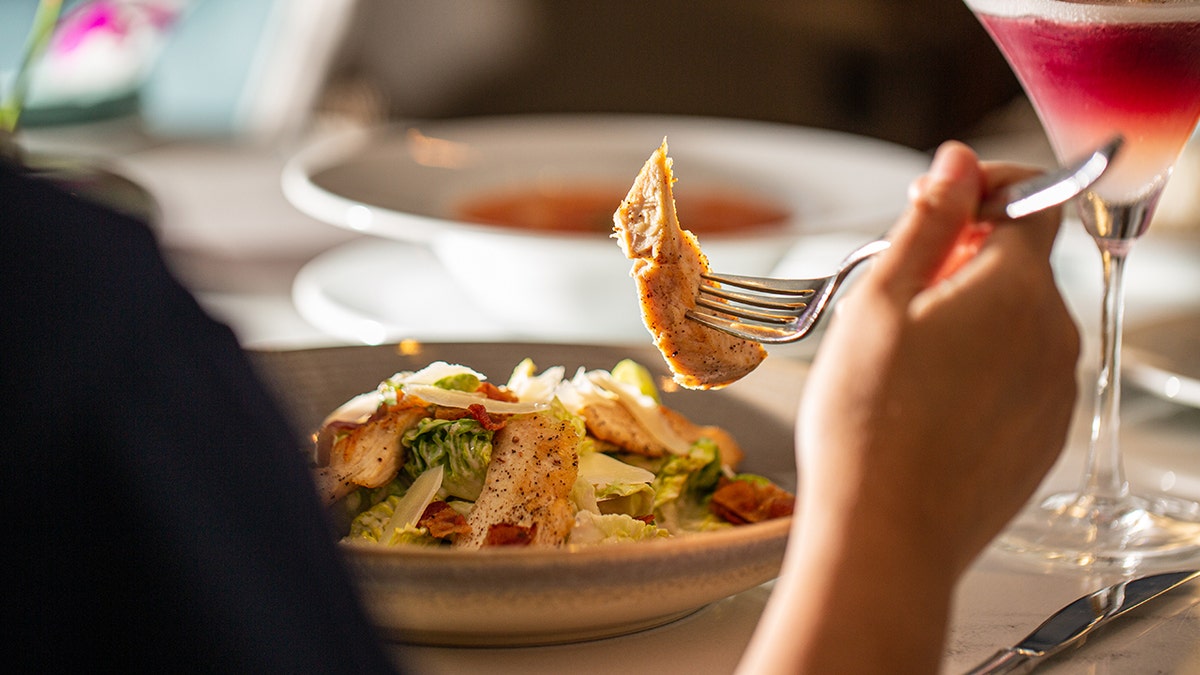
One woman said she refers to leftovers as “remixes.”
“Pot roast becomes filling for a crescent roll or shredded taco meat, or [it] beefs up French onion soup,” she said. “It turns 100-ish recipes into a functional life cookbook with infinite possibilities.”
CLICK HERE FOR MORE LIFESTYLE STORIES
One individual referenced “survivor nights” to use up leftovers — while another called it “dim sum,” inspired by the Chinese meal of small, bite-sized portions of various dishes.
“Everyone gets to pick and choose what they prefer.”
“Fancy word for random smaller batches of leftovers,” the person added. “Everyone gets to pick and choose what they prefer.”
The USDA recommends turning stale bread into French toast, cooking broccoli stems, and reusing or freezing leftovers to transform them into new meals later.

Freezing fruits, vegetables and cooked dishes keeps the food fresh longer and helps to stretch grocery budgets, the department notes.
CLICK HERE TO GET THE FOX NEWS APP
The USDA also offers guidance on storing and reheating leftovers safely, including refrigerating food within two hours, keeping it in airtight containers for three to four days (or freezing it for longer), thawing it properly, and always reheating leftovers to 165 degrees to prevent foodborne illness.
Fox News Digital reached out to the Washington, D.C.-based National Grocers Association for comment.
Latest & Breaking News on Fox News
Read the full article .