


NEWYou can now listen to Fox News articles!
Australia’s landmark new social media age law is set to go into effect, barring anyone under 16 from holding an account as the government moves to enforce one of the world’s strictest online safety measures.
The Australian government’s Online Safety Amendment (Social Media Minimum Age) Act, passed in November 2024, began to be enforced on Wednesday.
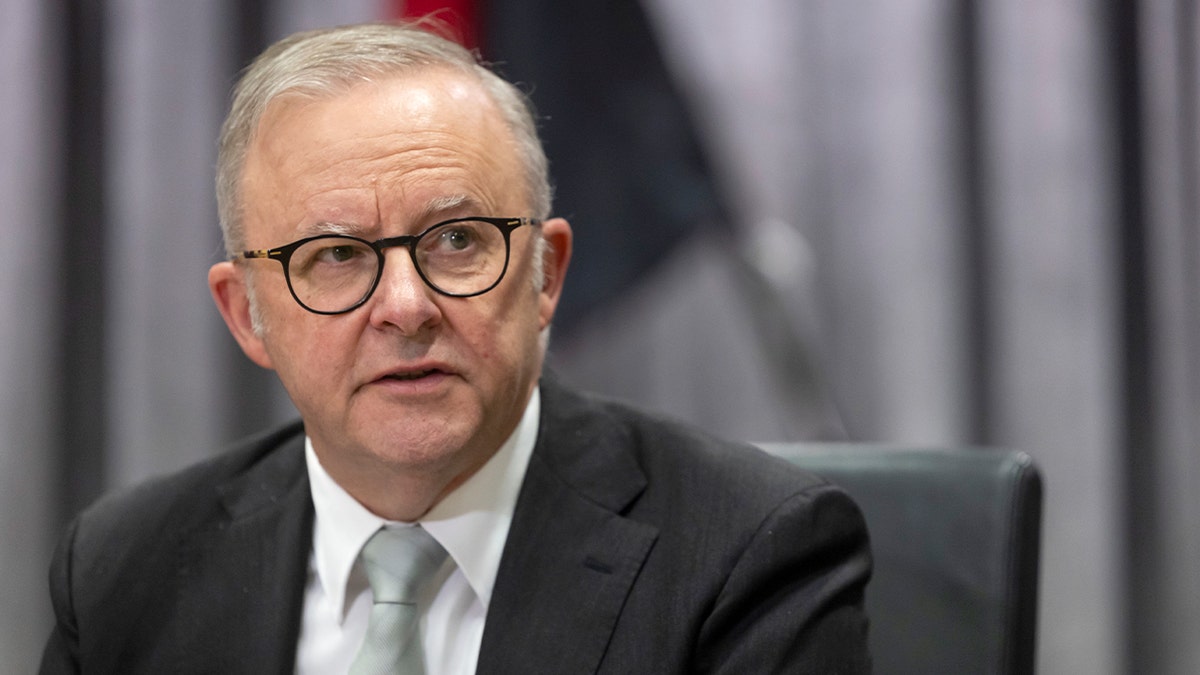
“From December 10, if you’re under 16, you’re no longer allowed to have a social media account,” said Australian Prime Minister Anthony Albanese in a video statement that was played in classrooms ahead of the social media restrictions, according to 9 News Australia. “You’ll know better than anyone what it’s like growing up with algorithms, endless feeds and the pressure that can come with that.”
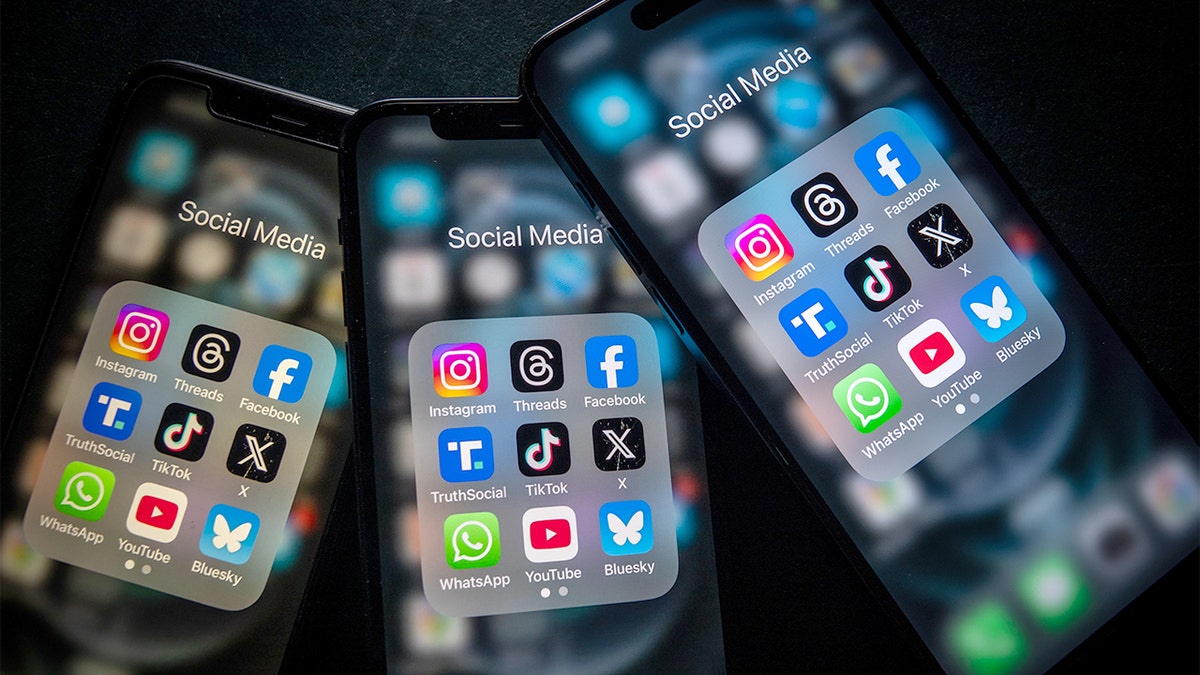
The platforms that will be banned for youth in Australia are Facebook, Instagram, Kick, Reddit, Snapchat, Threads, TikTok, Twitch, X (formerly Twitter) and YouTube.
META STRENGTHENS TEEN SAFETY WITH EXPANDED ACCOUNTS
Australia’s eSafety commissioner, the independent national regulator for online safety, says the new minimum-age law requires platforms to take “reasonable steps” to stop anyone under 16 from holding an account, including deploying age-assurance measures, removing existing underage users and preventing them from re-registering through tools such as VPN detection.
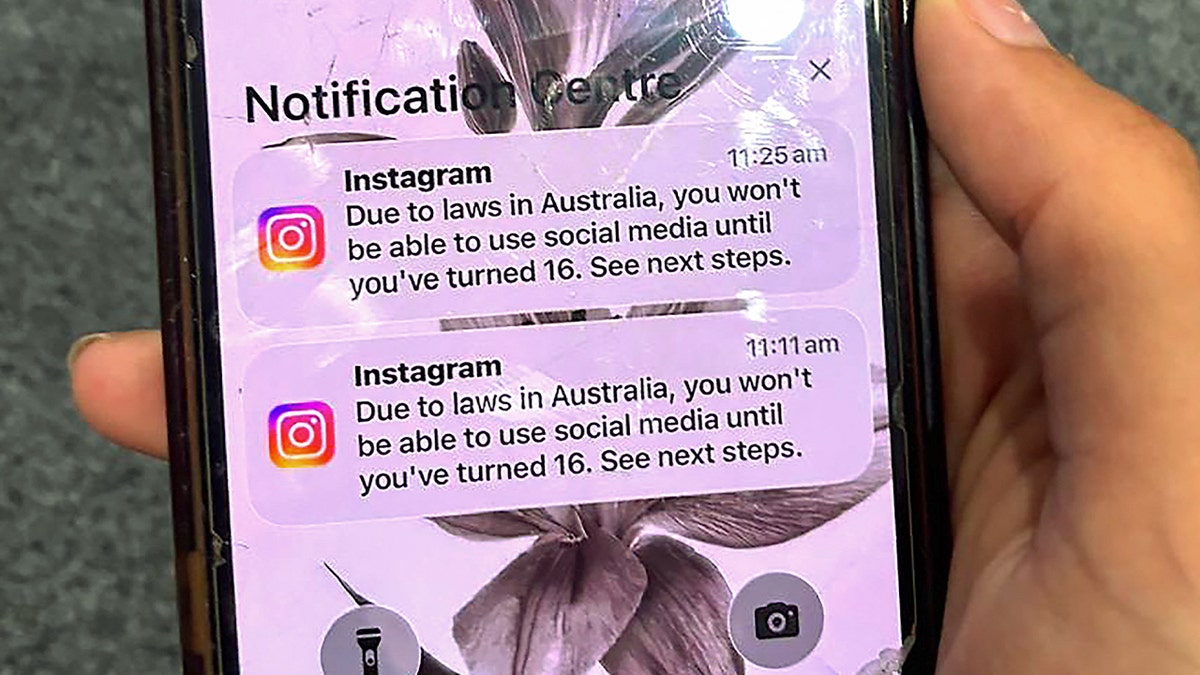
The eSafety commissioner also expects social media platforms to offer clear review pathways and support resources for young users whose accounts are deactivated.
“eSafety expects providers’ initial focus to be on the detection and deactivation/removal of existing accounts held by children under 16, including via accessible pathways to report underage accounts. We expect this to be accompanied by clear and timely information to those account holders about what will happen to their account, how they can download their information, where they can get support if they are feeling distressed, and how to challenge or seek review of the platform’s determination that they are under 16,” the regulatory guidance read in part.
SPOTIFY GIVES PARENTS NEW POWER TO CONTROL WHAT THEIR KIDS HEAR ON STREAMING PLATFORM
Companies that fail to comply face penalties of up to 49.5 million Australian dollars, or roughly $32 million.
“We’ve said very clearly that this won’t be perfect. But it’s the right thing to do for society to express its views, its judgment about what is appropriate,” said Albanese. “And there is no doubt when we look at the rise in mental health issues faced by young people, when we look at the social harm which is being caused by social media, that we want kids to have the opportunity to enjoy their childhood, and we want parents to be empowered as well to have that discussion.”
In the United States, concerns about youth social media use have grown, with lawmakers in both parties warning about its impact on children’s mental health.
At a Senate Judiciary Committee hearing Tuesday, lawmakers argued that tech companies have not done enough to protect children from online exploitation.
SUPREME COURT DECLINES TO BLOCK SOCIAL MEDIA AGE-RESTRICTION LAW, FOR NOW
Senators pressed experts on whether stronger age restrictions, tougher accountability measures for social media platforms and revisions to Section 230 are needed to better protect young people online.
“We know we need sweeping and overarching reform, because Big Tech is always going to care about one thing, and that’s their profits. And we know they know what they’re doing,” said Sen. Katie Britt, R-Ala., during the hearing.
Sen. John Cornyn, R-Texas, asked Lauren Coffren, the executive director of the Exploited Children Division with the National Center for Missing & Exploited Children, if Congress considering a social media ban for children 16 and under would help.
“I think we have to look at the different types of age restrictions, age assurances, age ratings. There’s an awful lot of complexity that goes around into that,” Coffren replied. “And so, we need to be able to look at ways of holding the social media companies and online platforms responsible, as well as the device, or the app stores, as well as ensuring that there’s better parental controls.”
An April 2025 Pew Research Center report found rising concern among both parents and teenagers about the platforms’ impact on youth well-being, with nearly half of teens saying social media has a mostly negative effect on people their age.
CLICK HERE TO DOWNLOAD THE FOX NEWS APP
A separate 2023 Gallup survey of more than 1,500 adolescents found that 51% of U.S. teens spend at least four hours a day on social media, with the average teen logging 4.8 hours across seven major platforms.
“Across age groups, the average time spent on social media ranges from as low as 4.1 hours per day for 13-year-olds to as high as 5.8 hours per day for 17-year-olds. Girls spend nearly an hour more on social media than boys (5.3 vs. 4.4 hours, respectively),” the survey said.
Latest World News on Fox News
Read the full article .